
15 3 月, 2026 — yuzhou202401@gmail.com
How to Choose the Right Thickness of Mulch Film
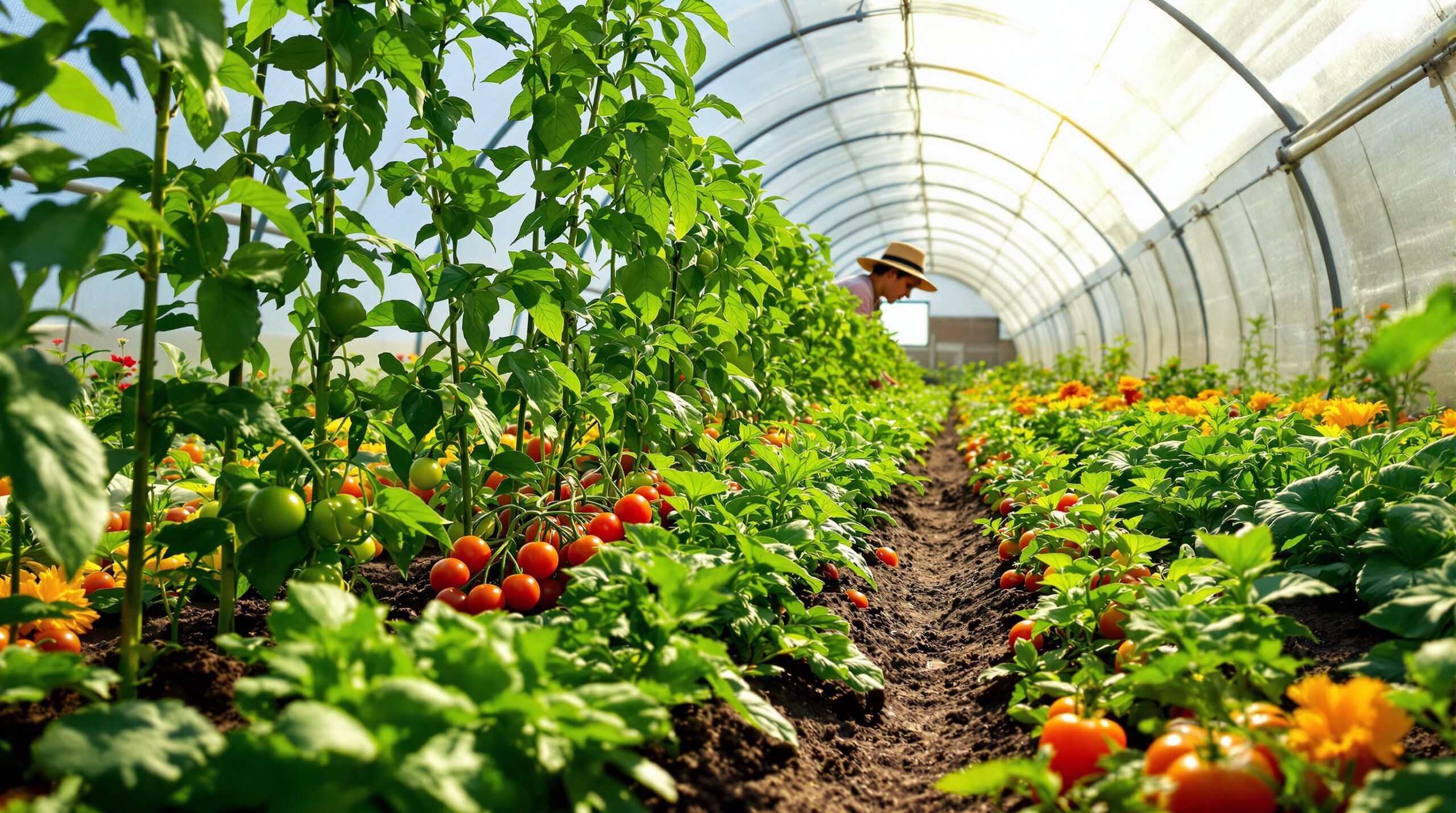
Choosing the correct mulch film thickness is an important decision for farmers and agricultural distributors. Different crops, climates, and growing seasons require different mulch film specifications. Understanding the basic thickness options can help ensure the best performance in the field.
Common Mulch Film Thickness
Most agricultural mulch films range from 0.008 mm to 0.015 mm in thickness.
Typical options include:
- 0.008 mm – Light duty mulch film
- 0.010 mm – Standard agricultural mulch film
- 0.012 mm – Stronger and more durable film
- 0.015 mm – Heavy-duty applications
Each thickness level serves different agricultural needs.
Thin Mulch Film (0.008 mm)
Thin mulch film is commonly used for short growing cycles. It is suitable for crops that grow quickly and are harvested within a relatively short time.
Because it uses less material, thin film is more economical. However, it may be less resistant to tearing or strong wind conditions.
Standard Mulch Film (0.010 mm)
The most widely used thickness is around 0.010 mm. It provides a good balance between durability and cost.
This thickness is commonly used for crops such as:
- tomatoes
- cucumbers
- peppers
- eggplants
It performs well in most vegetable farming environments.
Thicker Mulch Film (0.012–0.015 mm)
Thicker mulch film offers greater strength and durability. It is recommended for:
- longer growing seasons
- windy areas
- large-scale commercial farming
Although thicker film is more expensive, it often provides better long-term performance and reduced damage during installation.
Climate and Soil Conditions
Climate also plays an important role in selecting mulch film thickness. In hot climates, thinner films may be sufficient, while colder regions may require thicker films for better insulation.
Similarly, rocky soil or mechanical laying methods may require stronger mulch film to prevent tearing.
Conclusion
Selecting the right mulch film thickness depends on crop type, growing season, climate, and farming conditions. By choosing the appropriate thickness, farmers can improve durability, reduce damage, and achieve better crop results.